The Quiet Comeback of Women's-Only Fitness (And Why Operators Should Pay Attention)
For most of the last decade, the fitness conversation has been dominated by the big-box value model and the boutique studio. Women's-only clubs, a format many operators wrote off as a relic of the 1990s, barely came up.
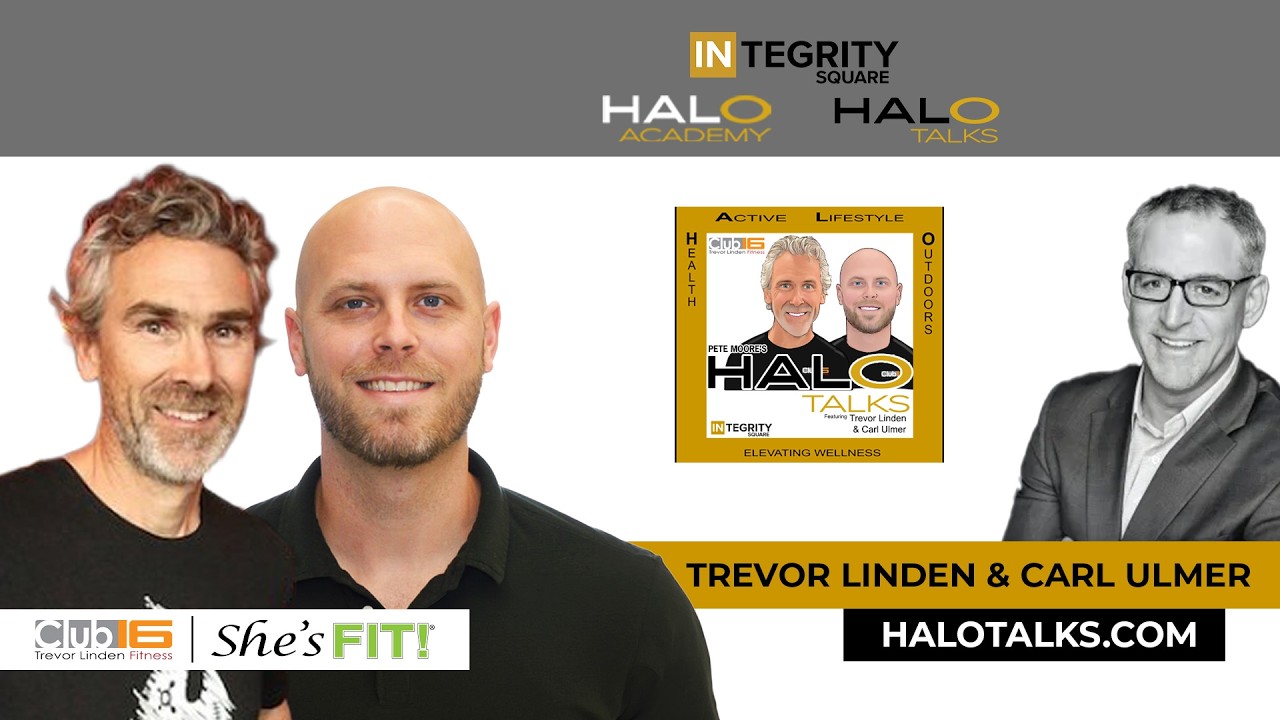
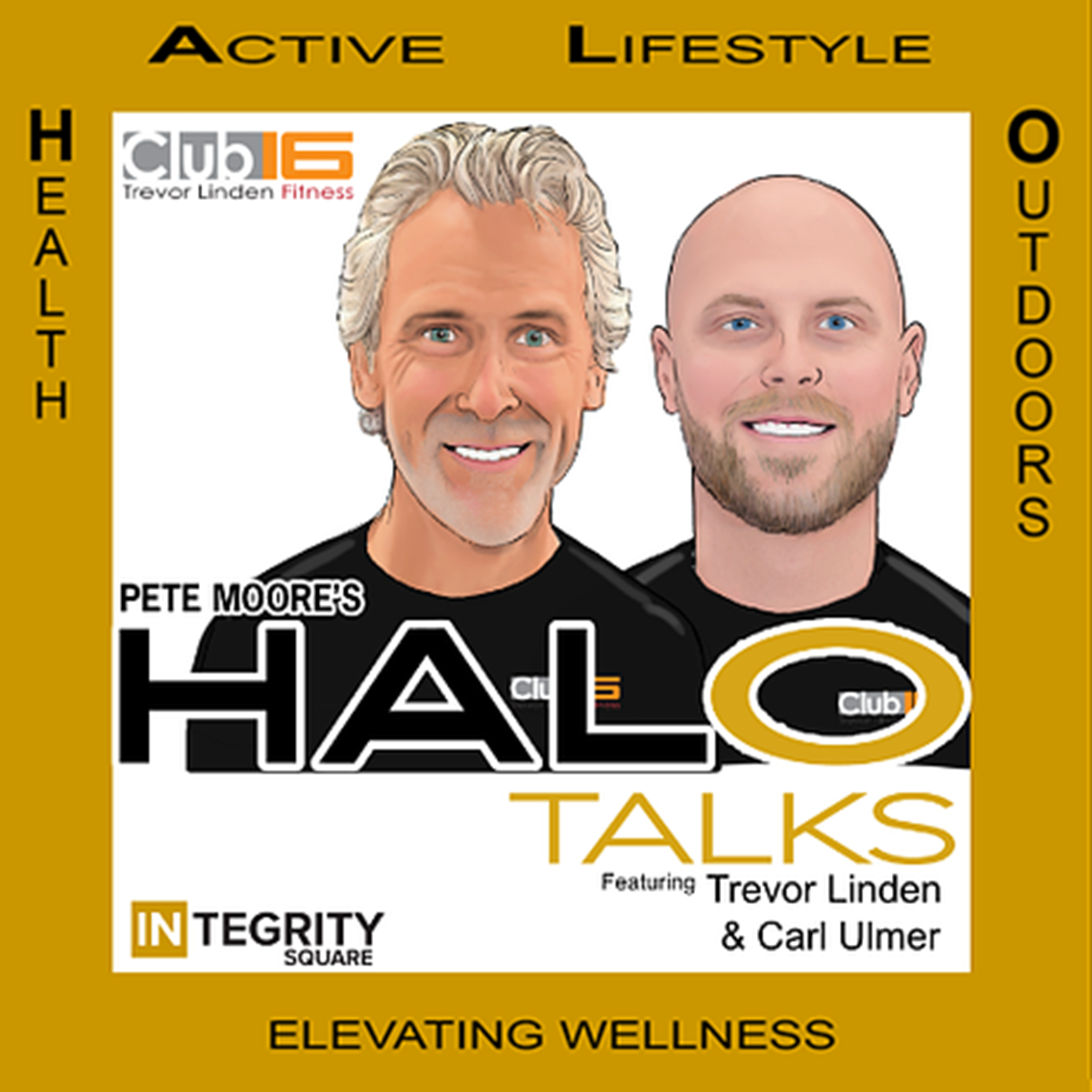
In British Columbia, two brands run by the same group are quietly making the case that women's-only fitness isn't a nostalgia play. On a recent episode of HALO Talks, Pete Moore sat down with Trevor Linden (yes, the former Vancouver Canucks captain) and Carl Ulmer to talk through how Club 16 and She's Fit have turned a "dated" category into one of the more compelling operating stories in Canadian fitness.
A few things stood out, and they're worth thinking about whether you operate in Vancouver or anywhere else.
Women's-only is being pulled, not pushed
The most useful signal from the conversation wasn't a marketing tactic, it was demand. According to Carl, She's Fit locations are running at or over capacity, and the growth plan exists because the market is asking for it, not because the company is forcing the format. He framed adding new clubs as close to a "no-brainer."
What's driving it is a shift operators everywhere are seeing: more women moving into strength training, and a real appetite for private, lower-pressure environments to do it in. The women's-only model, repositioned around strength rather than cardio-and-classes, fits the moment. The brand has roots that go back to founder Chuck Lawson's pivot out of Gold's Gym franchising into a women's concept (Just Ladies Fitness) and later the value-priced She's Fit . . . a reminder that the category has been quietly iterating the whole time, not sitting still.
The takeaway for operators: the demographic and training trends behind this aren't unique to BC. If you've been assuming women's-only is a saturated or shrinking idea, the capacity numbers here suggest it's worth a fresh look.
A famous name buys attention, not loyalty
It would be easy to assume "Trevor Linden Fitness" succeeds because of the name on the door. Both Linden and Ulmer were direct that it doesn't work that way. Linden described doing real diligence before lending his name (he wanted active partnership and aligned values, not a royalty check for a logo.) And both were emphatic that the name gets you a look, but it's the team and the culture that actually retain members and staff.
That's a useful corrective in an era of celebrity-and athlete-backed brands. Yes. . .a name will lower customer acquisition cost on day one, but do nothing for retention on day ninety. The operators who win are the ones who treat the name as a starting line, then build a deep bench of long-tenured people behind it, which is exactly what this group credits for its durability.
Staying independent is a strategy, not a default
With private equity moving aggressively into fitness, the more interesting decision is often not to take the check. Linden and Ulmer described a deliberate choice to stay independent . . . strong financials, disciplined growth, and a preference for quality over speed. Their stated plan is roughly three new She's Fit and two Club 16 locations a year starting in 2027, aiming for around 41 locations by 2030.
That's measured, fundable-from-cash-flow growth, the kind that keeps optionality open. For owners weighing their own path, it's a reminder that independence is a position you can choose and defend, not just the absence of a deal. The clubs that grow this way often end up as the most attractive targets later, on their own terms.
Why it matters
The thread running through all three points is adaptability. A women's concept that started in one era, repositioned for another. A celebrity partner who insisted on substance behind the name. A growth plan built on discipline rather than capital. As Linden put it when describing the kind of community they're trying to build . . . a group of 75-year-olds who grab coffee at Tim Hortons and then come in to work out, the goal is making fitness genuinely accessible, and building the operation to support it.
For anyone operating, investing in, or advising in the HALO sector, that's the lesson worth keeping: the brands that last aren't the ones that found one winning format. They're the ones that kept changing it.
Listen to the full conversation with Trevor Linden and Carl Ulmer on HALO Talks, Episode #601: Growing Club 16 and She's Fit — Inside British Columbia's Fitness Boom.
HALO Talks is hosted by Pete Moore, founder and Managing Partner of Integrity Square, the M&A advisory firm focused exclusively on the Health, Active Lifestyle, and Outdoor (HALO) sector.
Amanda Guarniere of GuardianMD on Med Spa Compliance, Peptides, and Picking a Niche